— Our Story
A 90+ Year Record
of Distinction.
The Central High School Band maintains a 90+ year record of distinction through local, regional, and national performances. It is one of the oldest continuous band programs in the Fountain City community area. The historical research below was compiled by David Dixon, retired assistant band director (1982–2007).
Historical research by David Dixon, Retired Assistant Director · 1982–2007
1928 — 1935
Early Years…
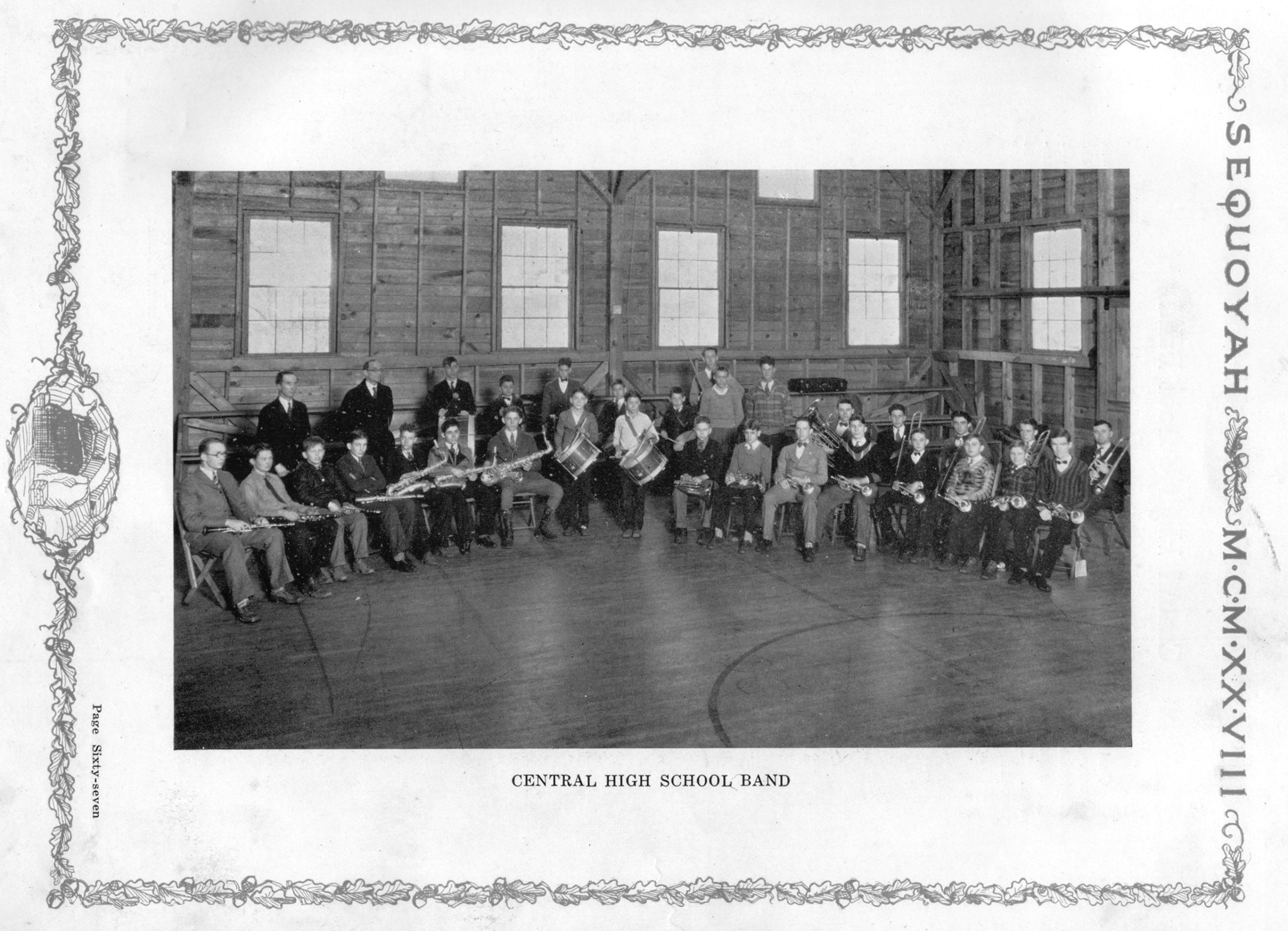
From 1906, Central High School offered small musical ensembles. The school annual The Sequoyah presented what it labeled as the first band in 1928 — a modest, all-male group of 28 members directed by C.C. Cottrell and Neil Gray. The band lacked uniforms and included faculty members among its ranks.
1928
The school annual The Sequoyah featured what it called the first band — 28 members, all male, directed by C.C. Cottrell and Neil Gray. The group had no uniforms and included faculty members. It was a beginning, humble but real.
1930
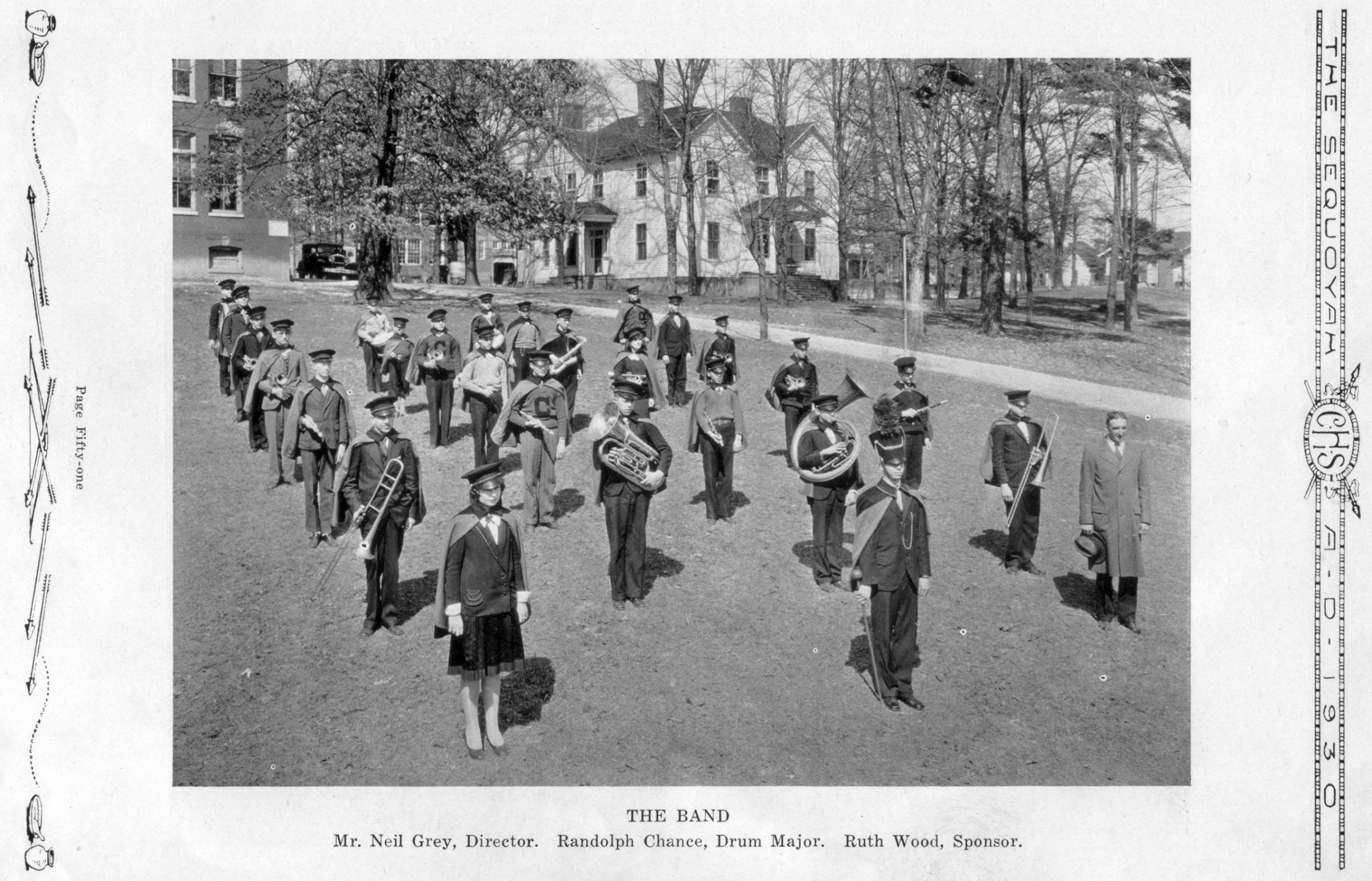
By 1930 the group had grown and acquired hats and capes as basic uniforms. A photograph taken on the school’s front lawn shows the expanded ensemble. Then the Great Depression arrived, suspending many school activities — including the band program entirely.
1935 — The Restart
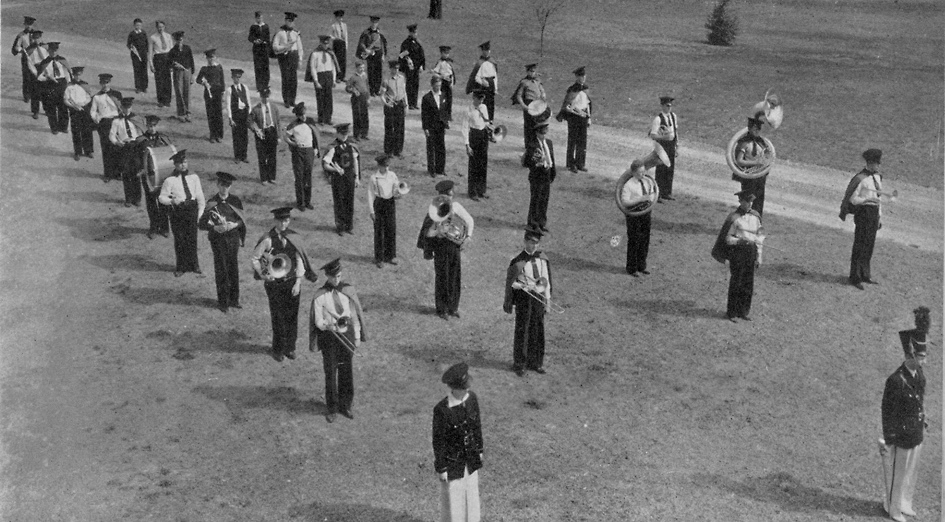
Principal Hassie K. Gresham (1919–1947) hired director Malcolm Morrison to restart the program in fall 1935. Morrison recovered old uniforms from storage, assembled a group, and rehearsed for the annual Veterans Day Parade downtown.
Students wore white shirts, black pants with red grosgrain ribbon — simple but proud. Principal Gresham arranged streetcar transportation so the student body could cheer the band at the parade. The tradition was alive again.
1937 — 1971
O’Dell Willis
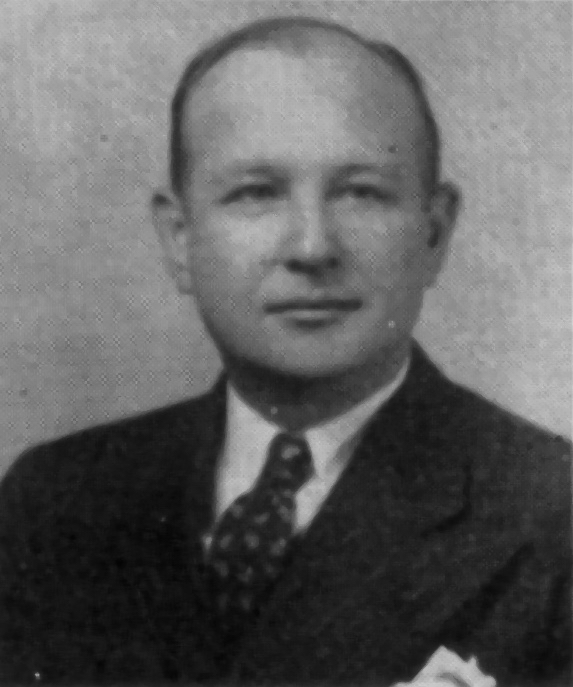
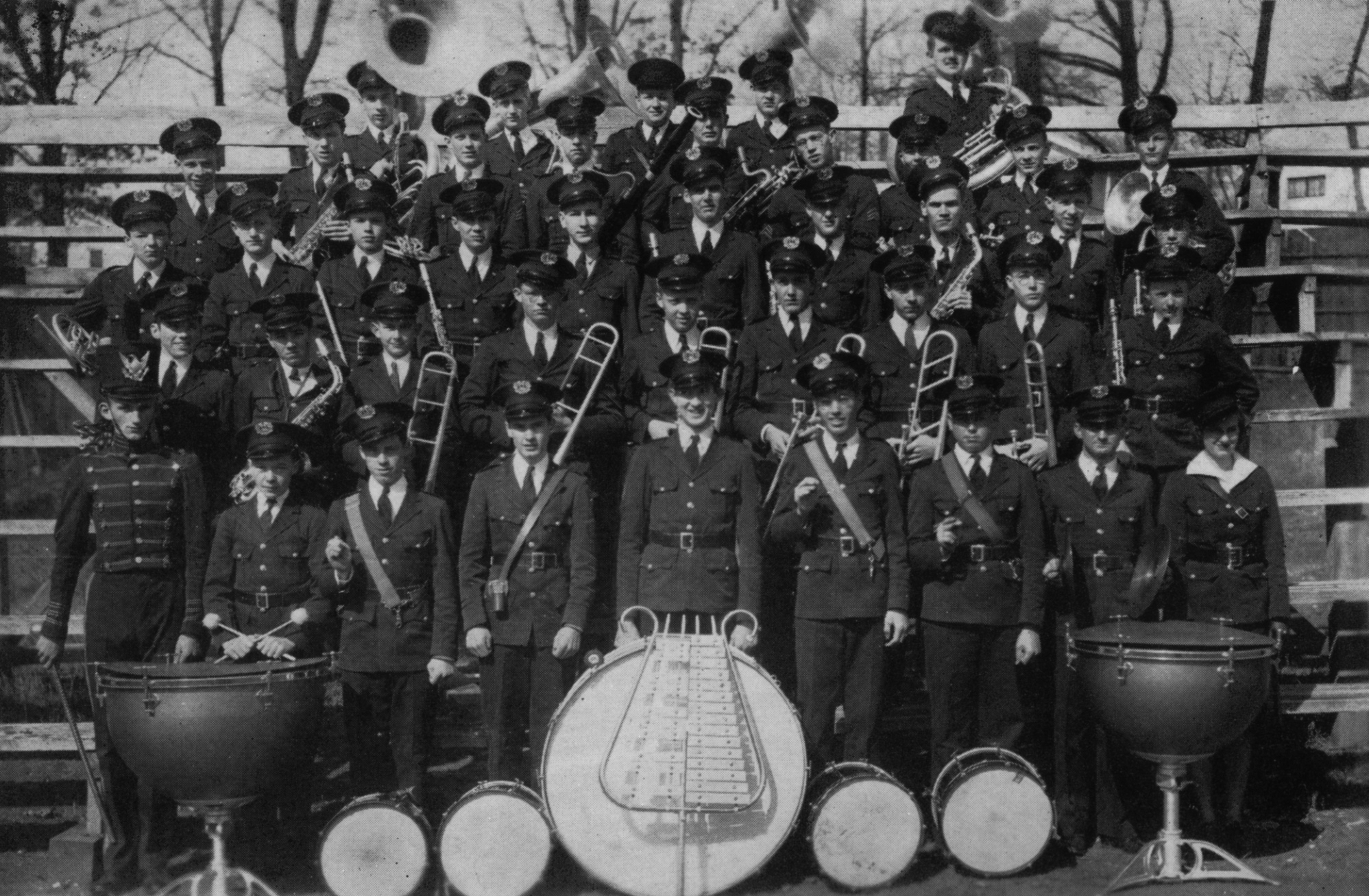
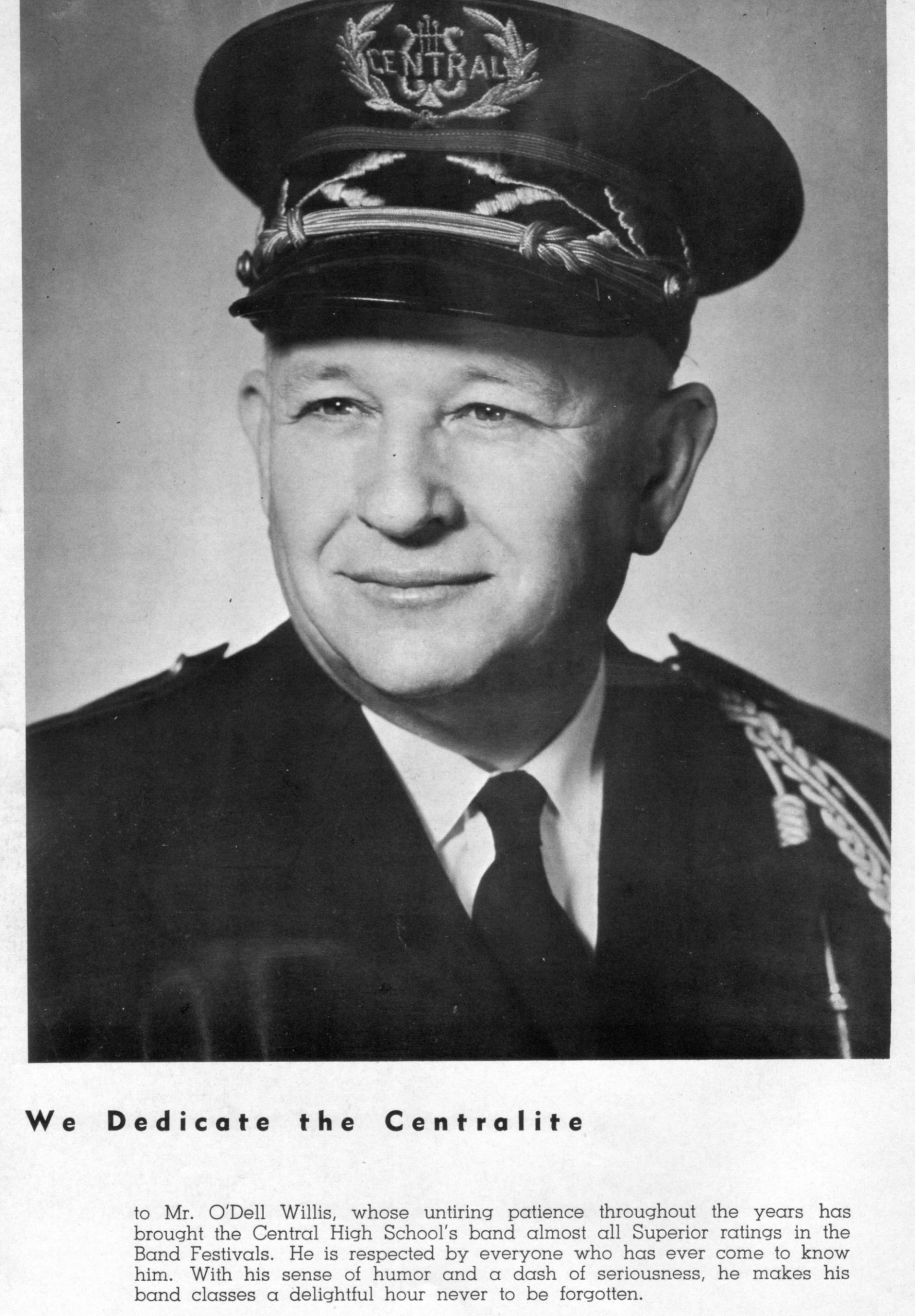
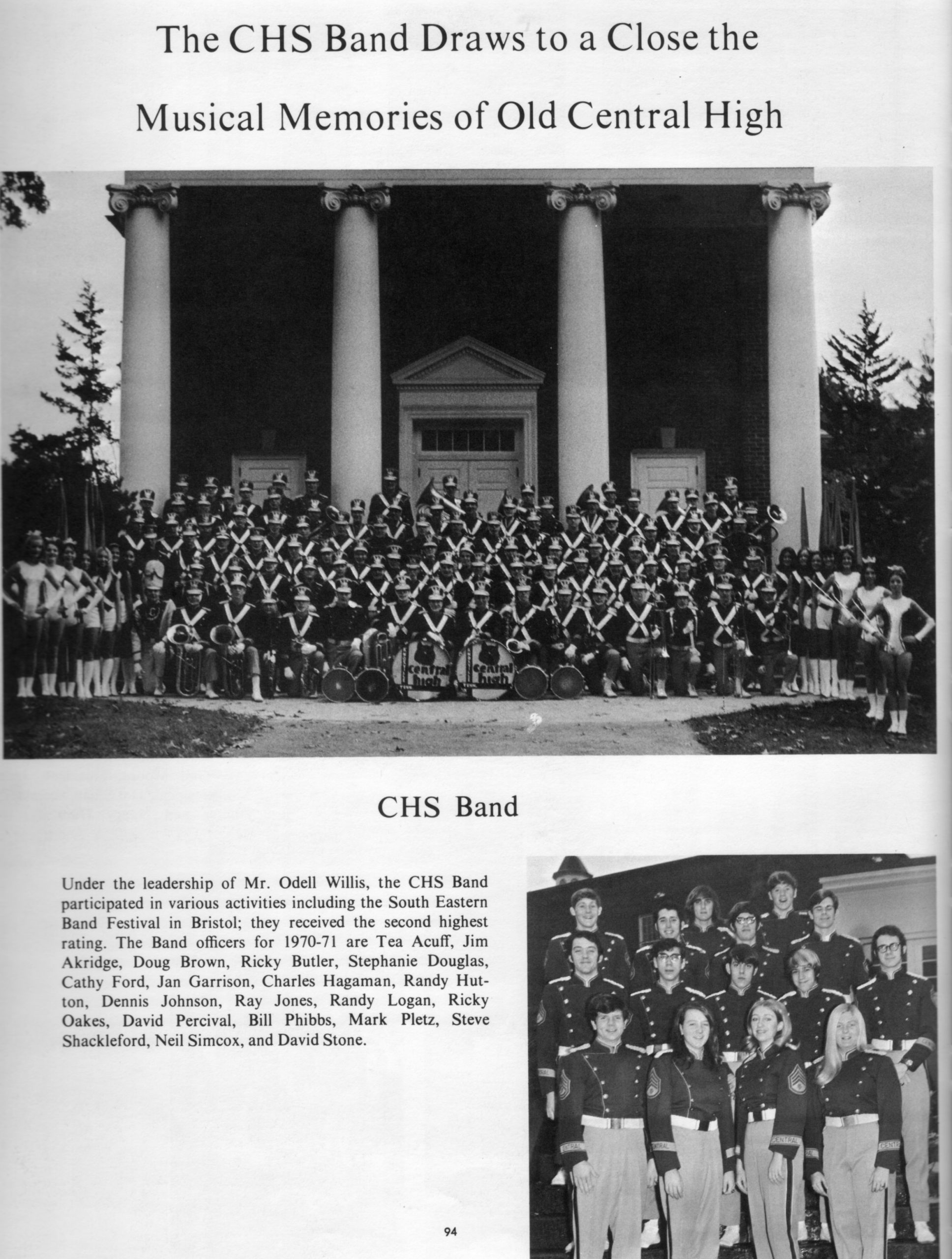
O’Dell Willis arrived as director in 1937 and became, over the following three decades, a legendary and revered figure in both the community and the band profession. His tenure transformed the program into a regional force and gave it the identity — the uniforms, the fight song, the competitive spirit — that it carries to this day.
1937–1939 — New Uniforms & The Fight Song
By 1939 the band had new uniforms — red jackets, hats, and black pants. Students purchased uniforms from graduating seniors for five dollars, a tradition of ownership that made each uniform matter. Willis expanded the instrument library, adding bass clarinets, bassoons, and four tubas and sousaphones.
Willis also composed “Red and Black,” the school fight song that is still performed today at every home game and pep rally.
1938–1939 — Founding ETSBOA
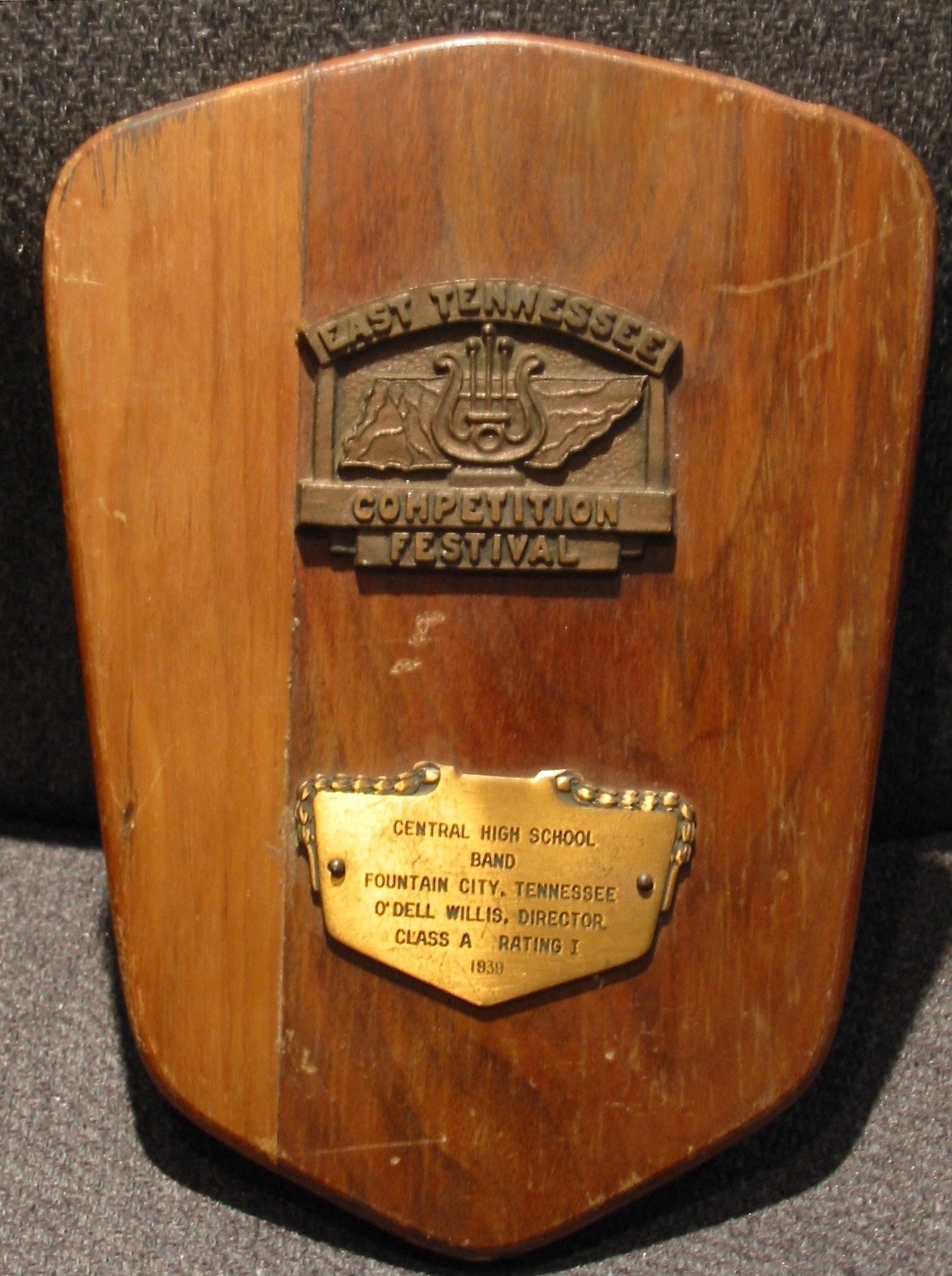
Willis was one of six founders of the East Tennessee School Band and Orchestra Association. At the very first ETSBOA concert festival in April 1939, Central received one of only four Superior Ratings among ten competing bands — an immediate signal of where the program was headed.
1941–1942 — Growth & National Recognition
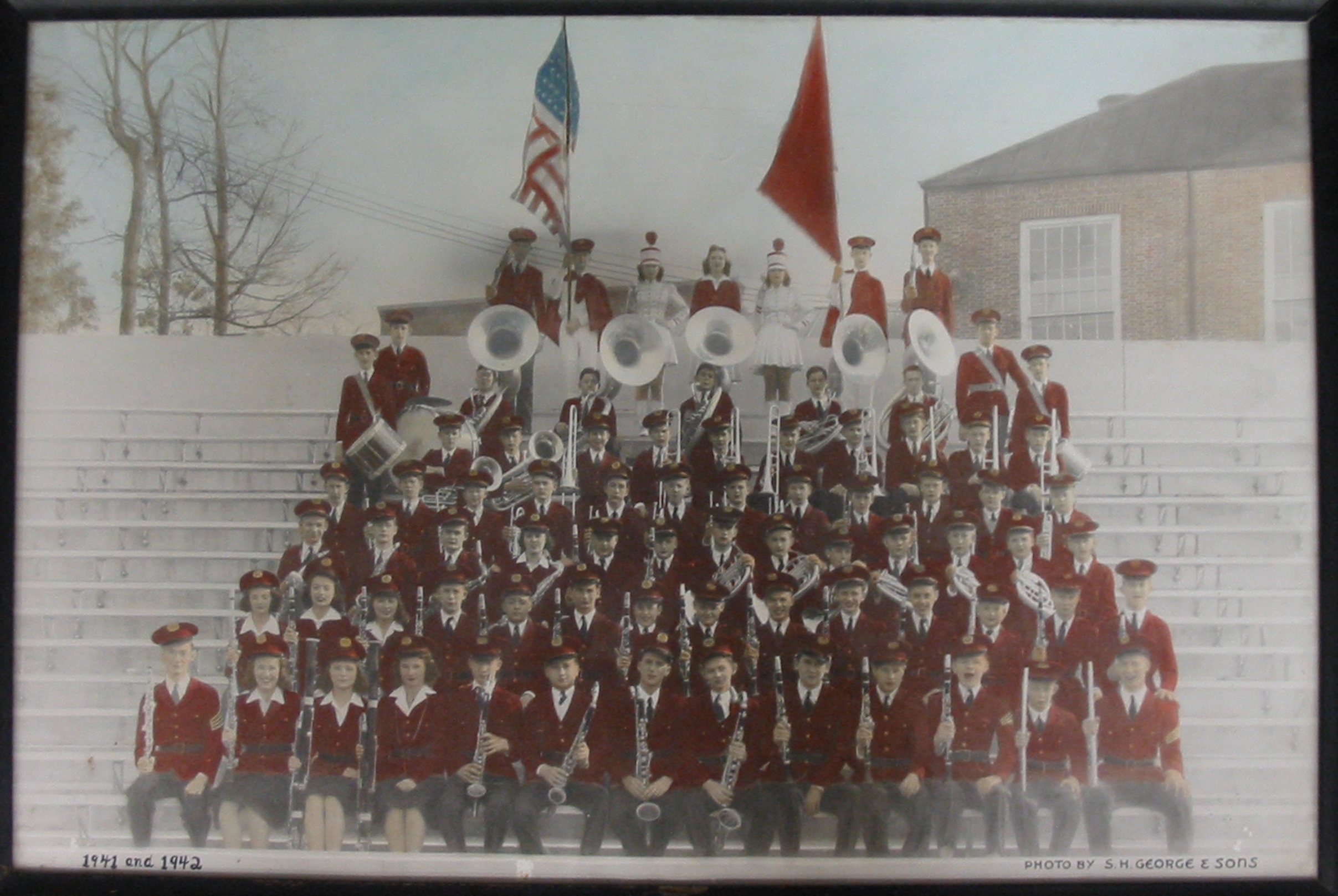
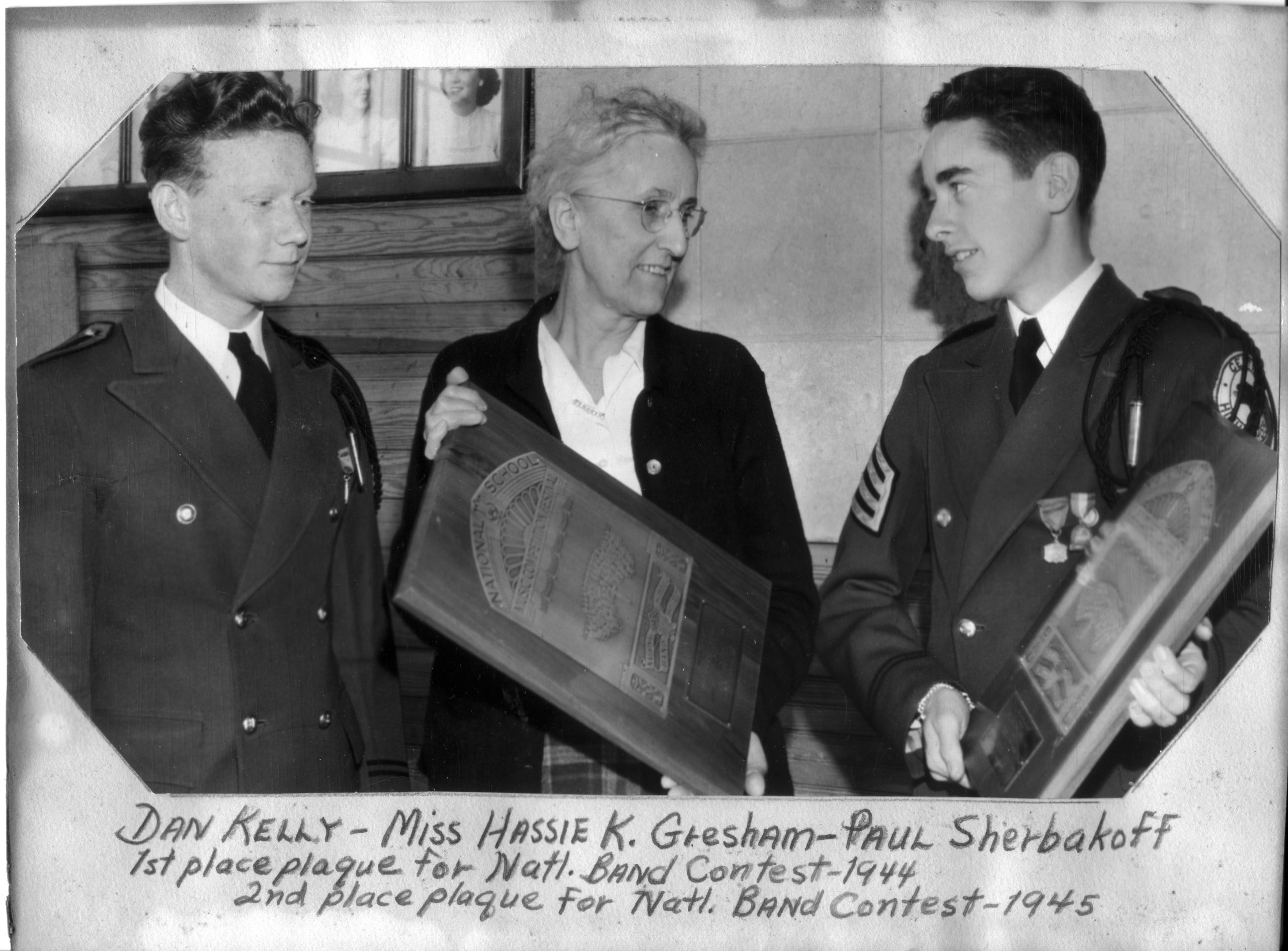
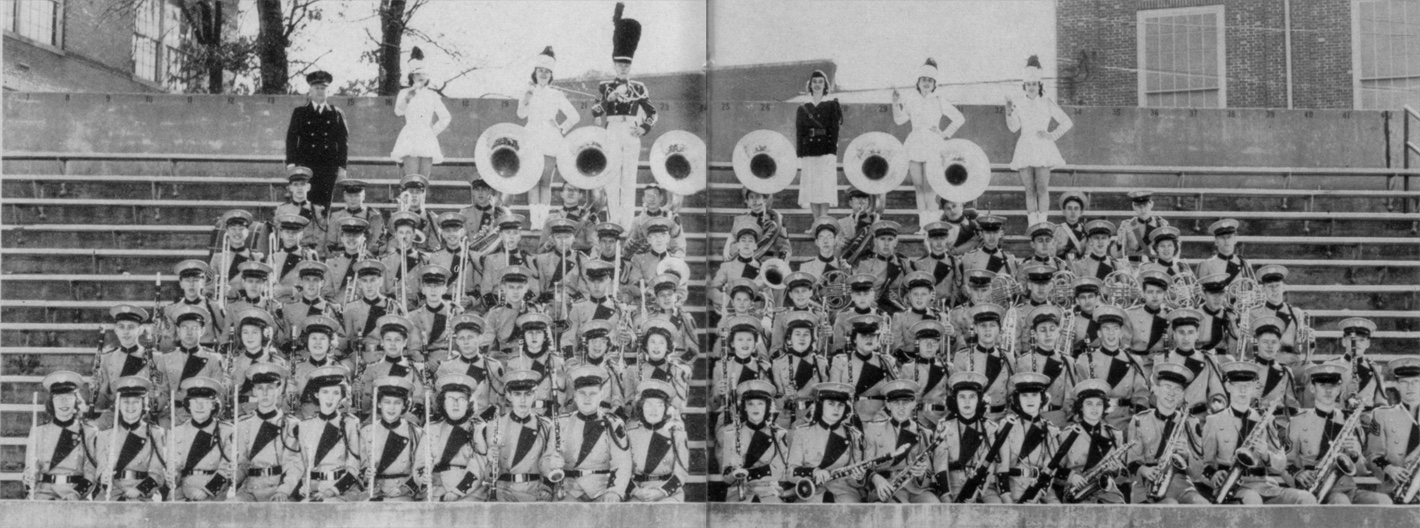
The 1941–42 band photograph shows significant growth in both membership and instrument quality. The band went on to win regional events in the National Band Competition in the early 1940s — competition plaques from this era are still displayed in the CHS Commons today.
1945–1946 — Statewide Champions
The 1945–46 band won statewide competition, earning an invitation to perform at the 1946 state music teachers conference — recognition that Central was among the finest programs in Tennessee.
1946–1949 — The Luttrell Years
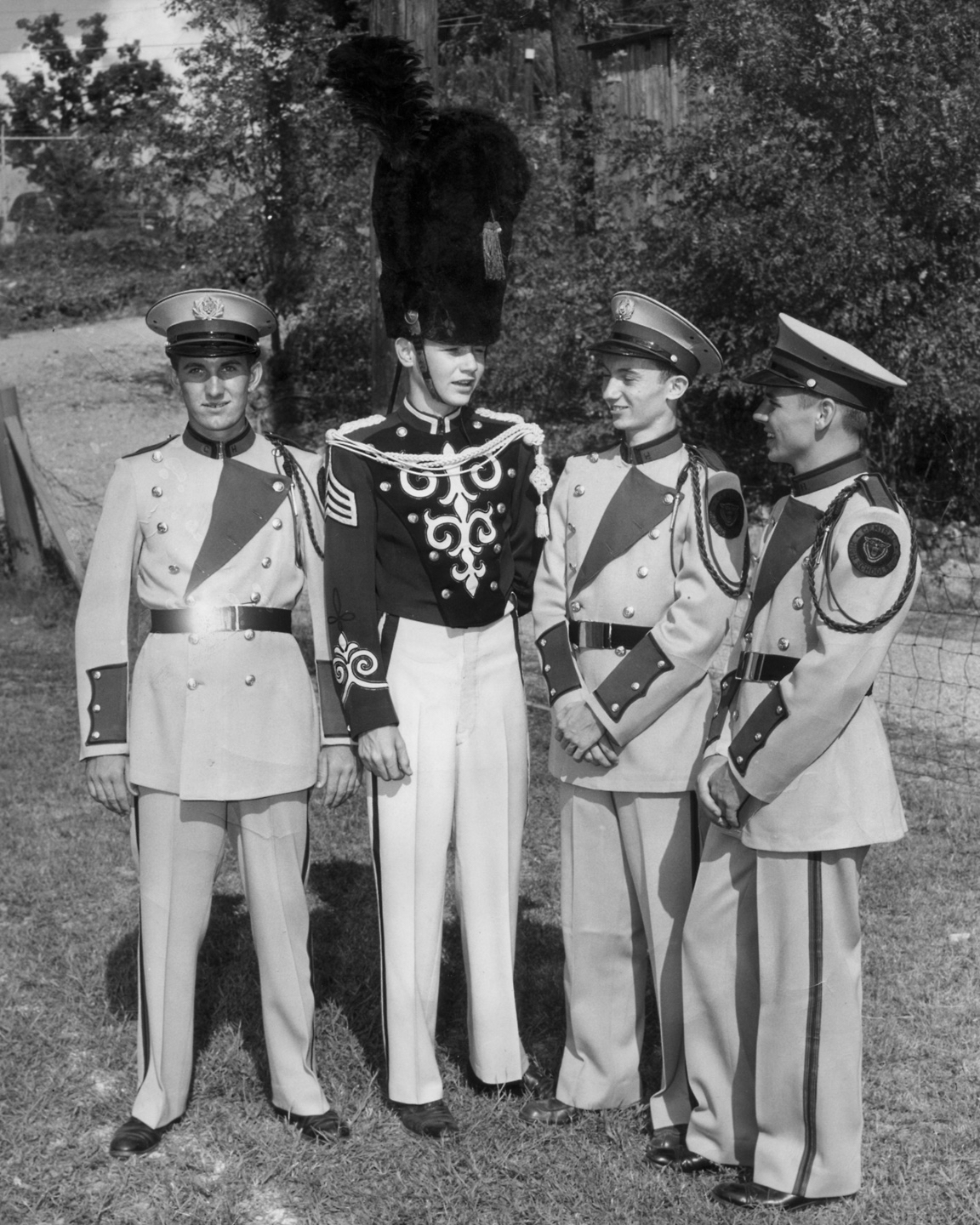
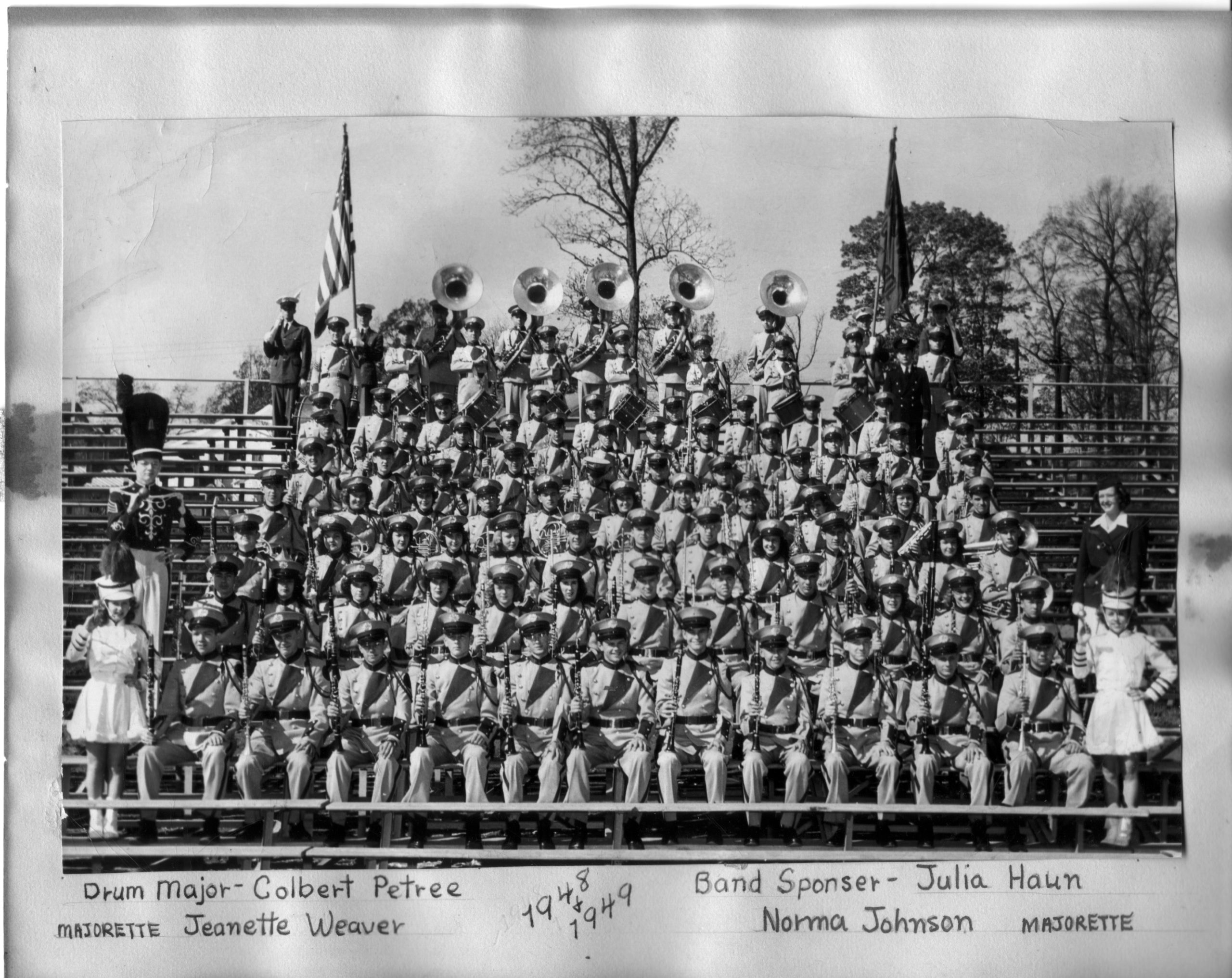
Willis temporarily left for a managerial position at a local music store. Lillard Luttrell, a CHS Band graduate, stepped in to lead the program. Under Luttrell, the band purchased new gray uniforms with red trim in 1948 — a refreshed look that kept morale high during the transition.
1949 — Willis Returns
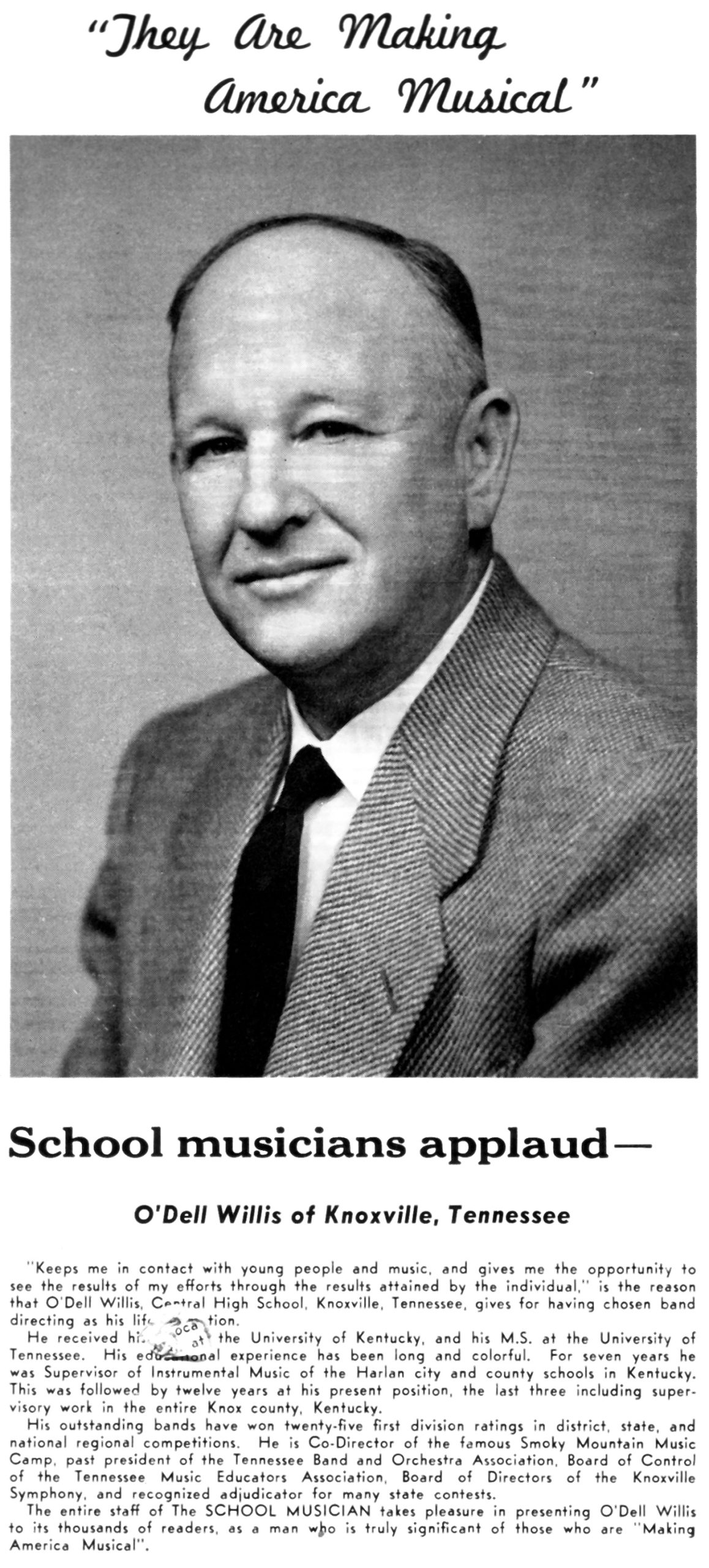
Willis returned in fall 1949 and was named Supervisor of Instrumental Music for Knox County Schools — a role that amplified his influence across the entire region. A 1952 article in School Musician journal featured him and the program in a national profile, bringing widespread recognition to what was happening in Fountain City.
1954 — Washington, D.C.
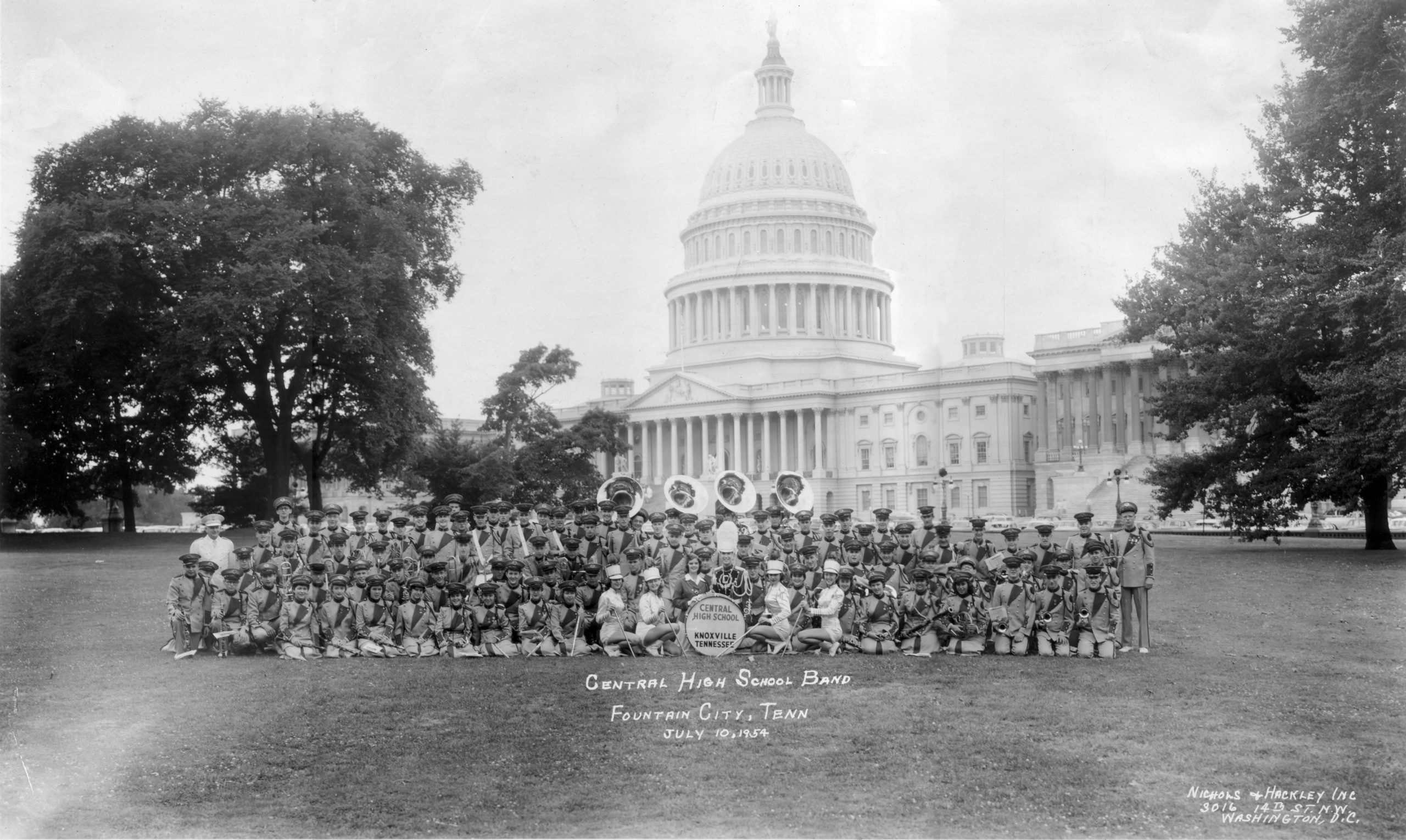
In 1954 the band traveled to Washington, D.C. for a national parade competition. Despite performing in heavy rain, Central placed fourth among 65 national and international bands — a result that astonished observers and cemented the program’s national reputation.
The photo above shows the band on the Capitol lawn after the competition. It remains one of the most celebrated moments in the program’s history.
1957 — A Community Gift
In 1957, on the occasion of Willis’s 20th anniversary as director, alumni — including Sam Beaty, a Chevrolet dealer — presented Willis and his wife with a new Chevrolet station wagon. The gift was a quiet acknowledgment of the financial sacrifices the Willis family had made in service to the band, and of the deep affection the community held for him.
1958 — Chicago: The Lions Club Parade
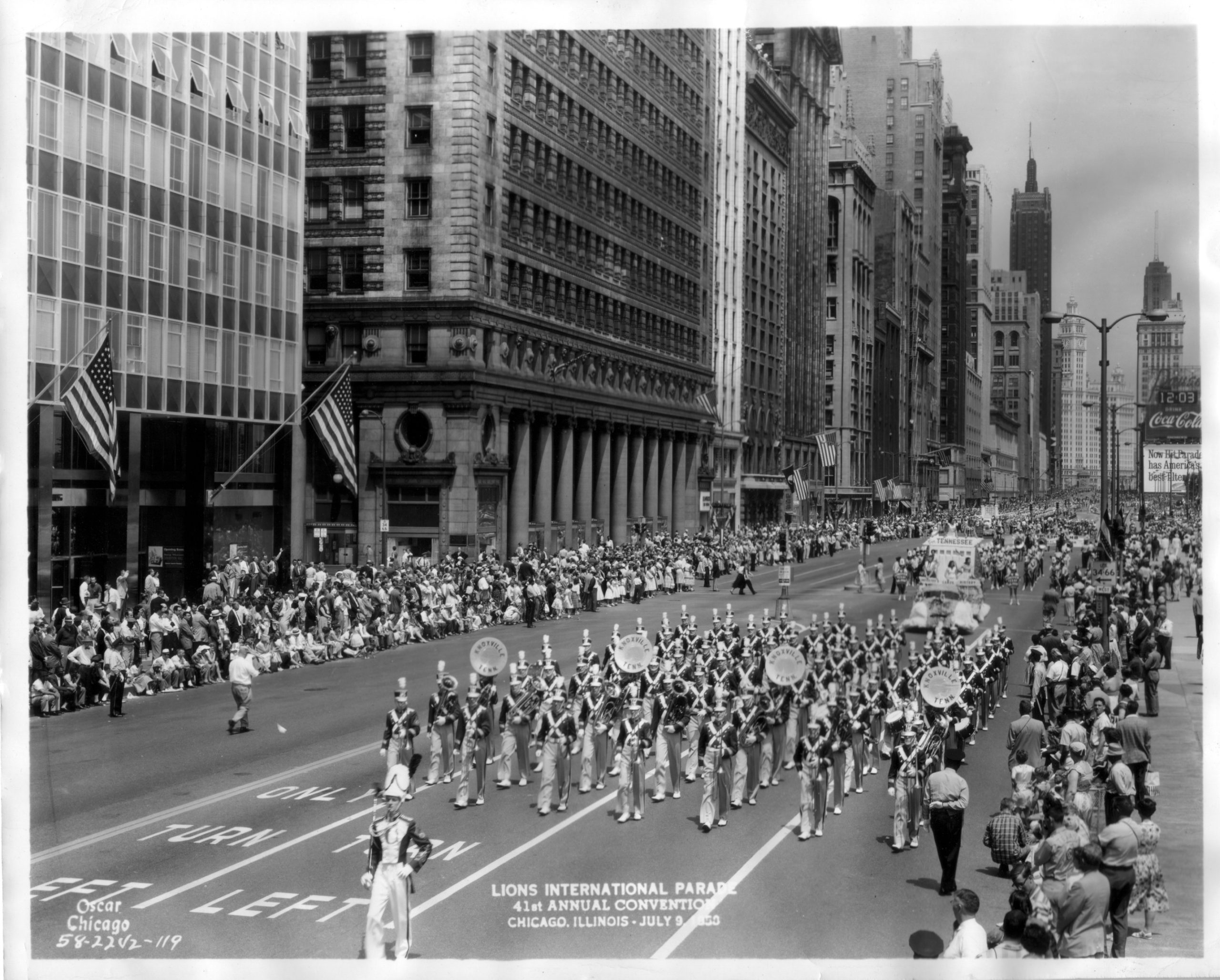
In 1958 the band traveled to Chicago to perform in the Lions Club International Conference parade on Michigan Avenue — one of the great American boulevard marches, and a proud moment for Knoxville Central on a national stage.
Late 1960s — The Program Expands
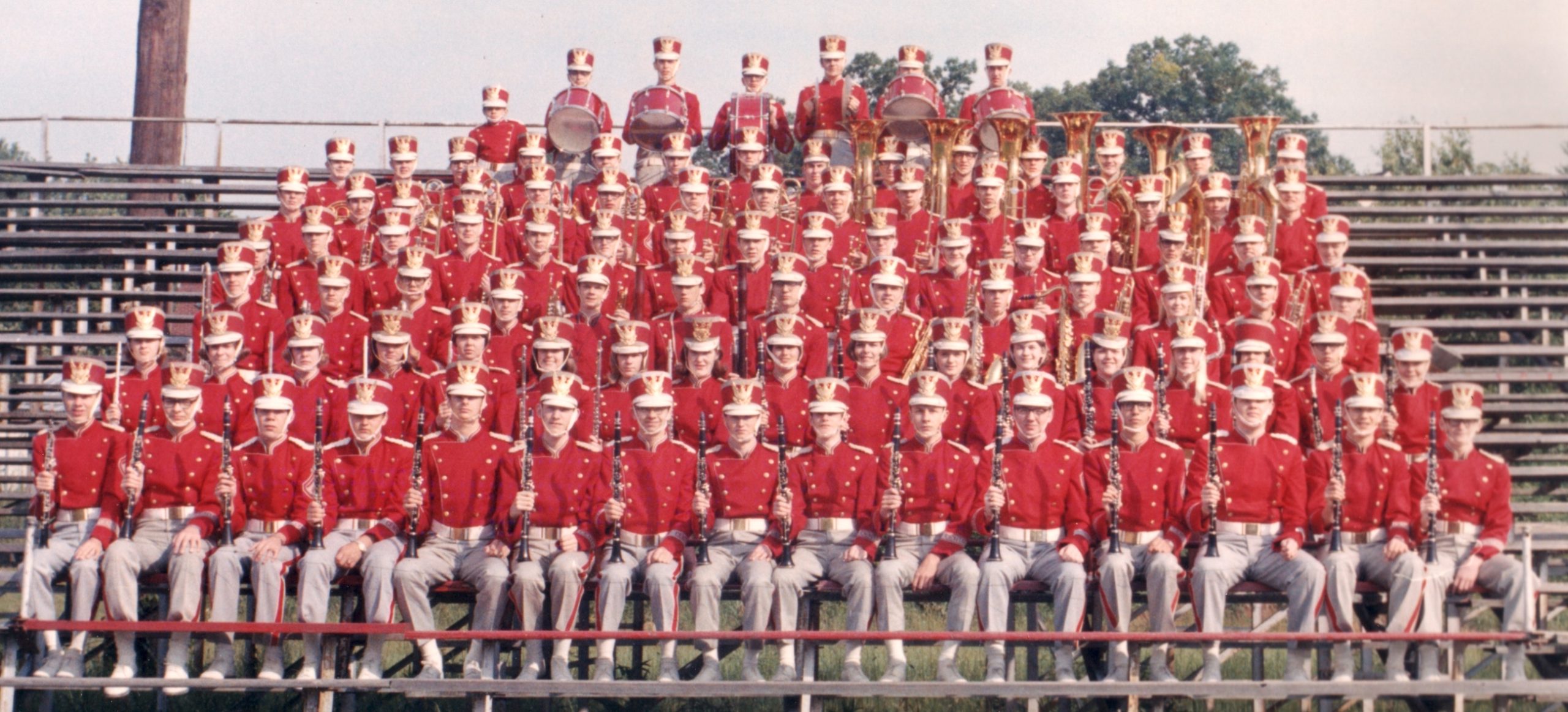
The feeder program grew significantly in the late 1960s, with additional teachers added at the middle school level. A second high school band director position was created to manage the expanded program. Most significantly, female instrumentalists were included in the marching band for the first time.
1971 — The End of an Era
Willis’s final year as director coincided with the school’s move to a new campus. The old site became Gresham Middle School. The community honored his 34 years of leadership with a parade and a scholarship concert at the University of Tennessee.
O’Dell Willis passed away in 1984. His colleagues called him the “Dean of Tennessee band directors.” He composed the fight song, co-founded the regional association, and built a program that measured itself — and won — against the best in the country.
1971 — 1999
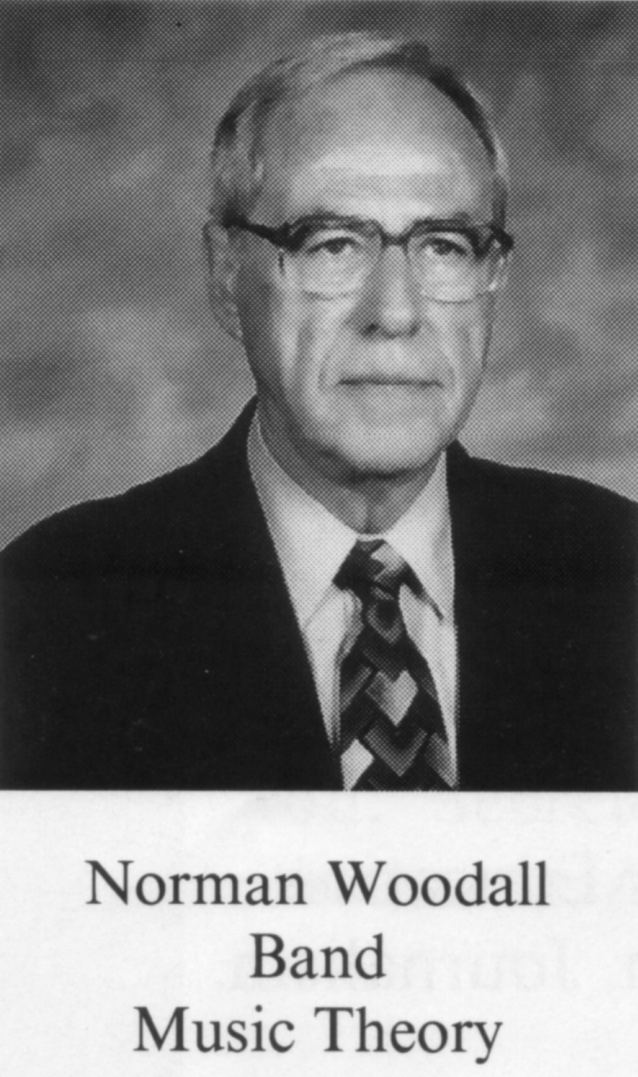
Norman Woodall
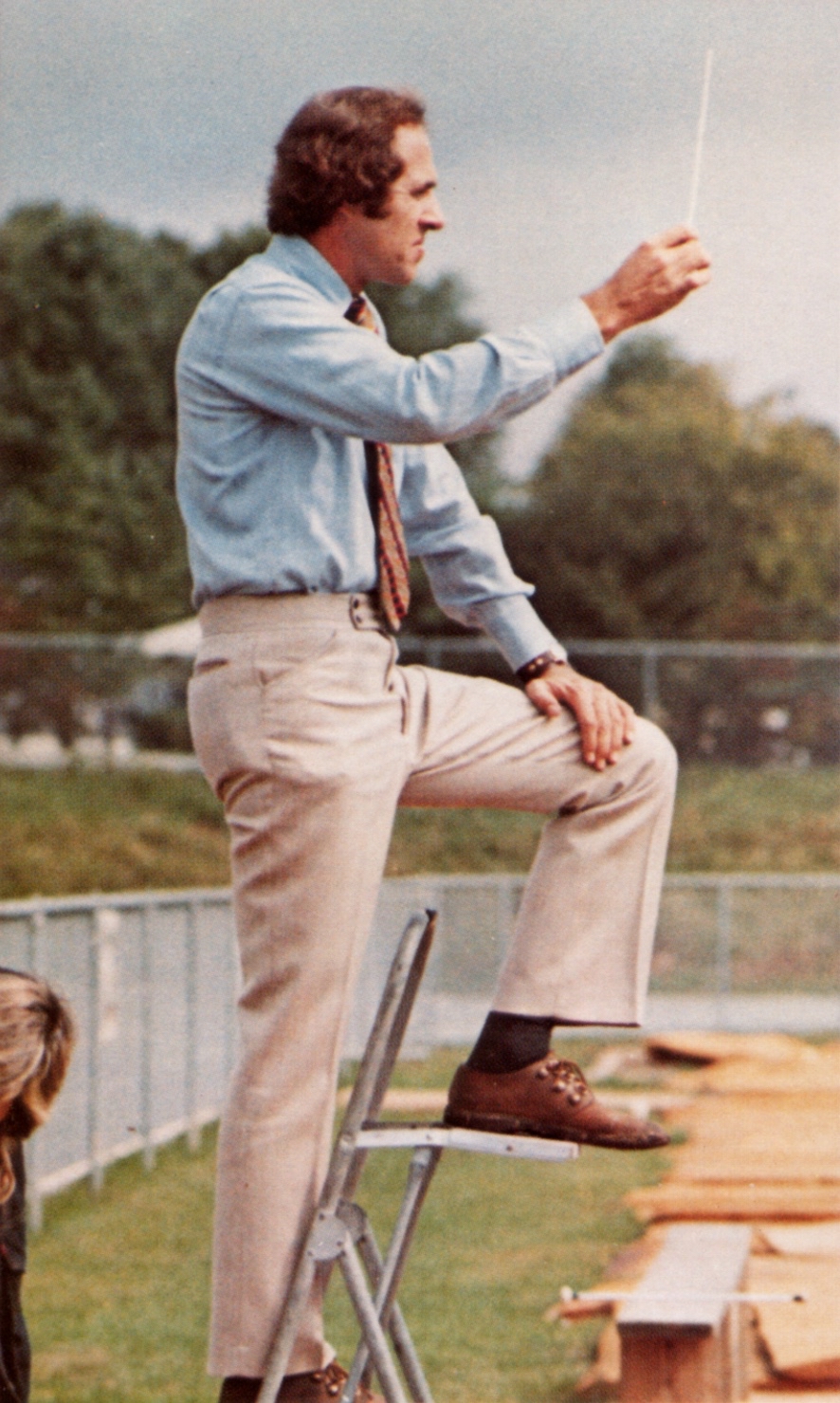
Norman Woodall was recruited from Hixson High School in Chattanooga, where he had spent ten years building that program. He was an accomplished musician who played French horn in both the Chattanooga and Knoxville Symphony Orchestras and bass guitar in various ensembles.
Woodall assisted Willis in spring 1971 before taking the helm — a careful, respectful handoff between two very different but equally dedicated directors.
1971–72 — New Uniforms & Mexico
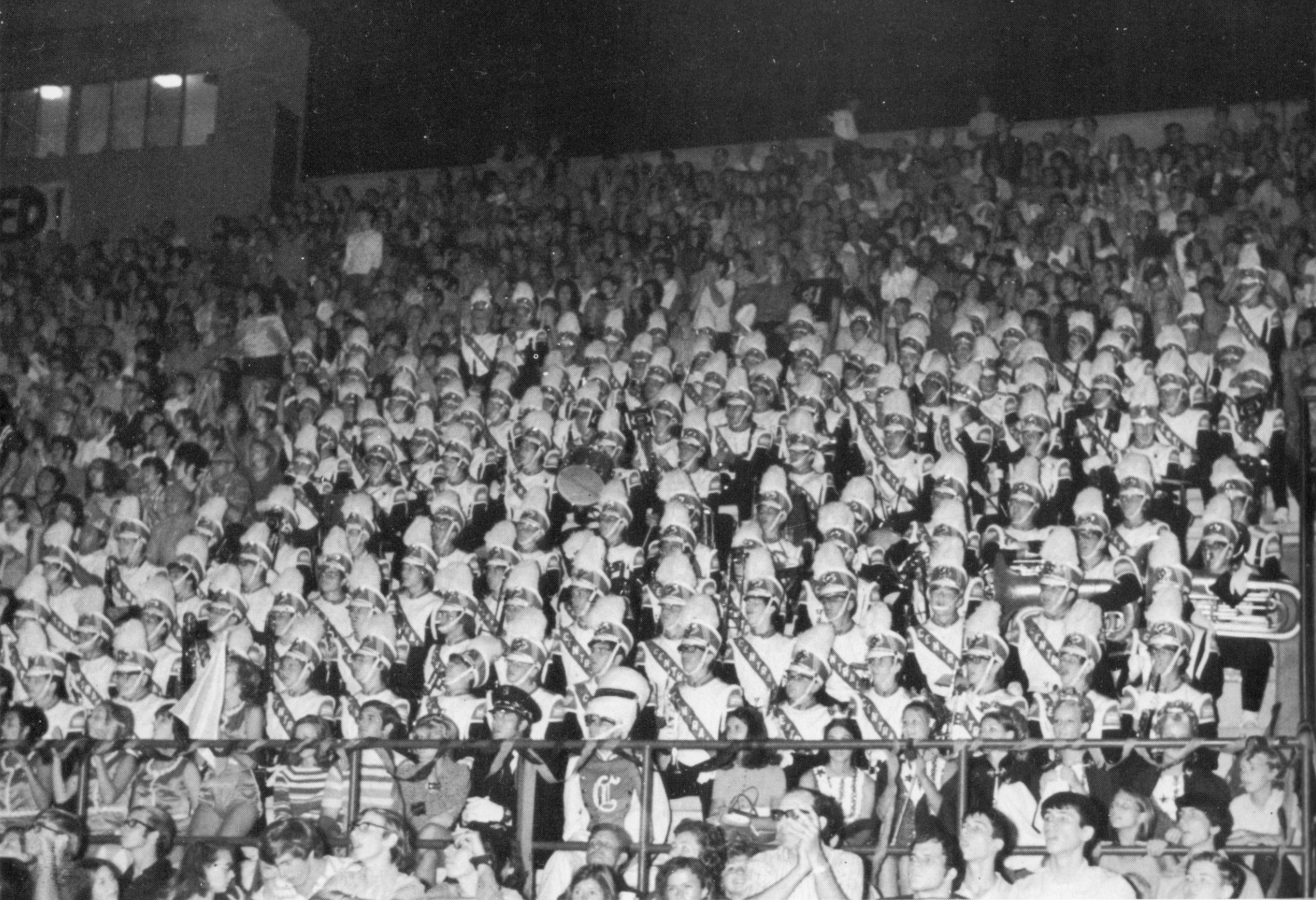
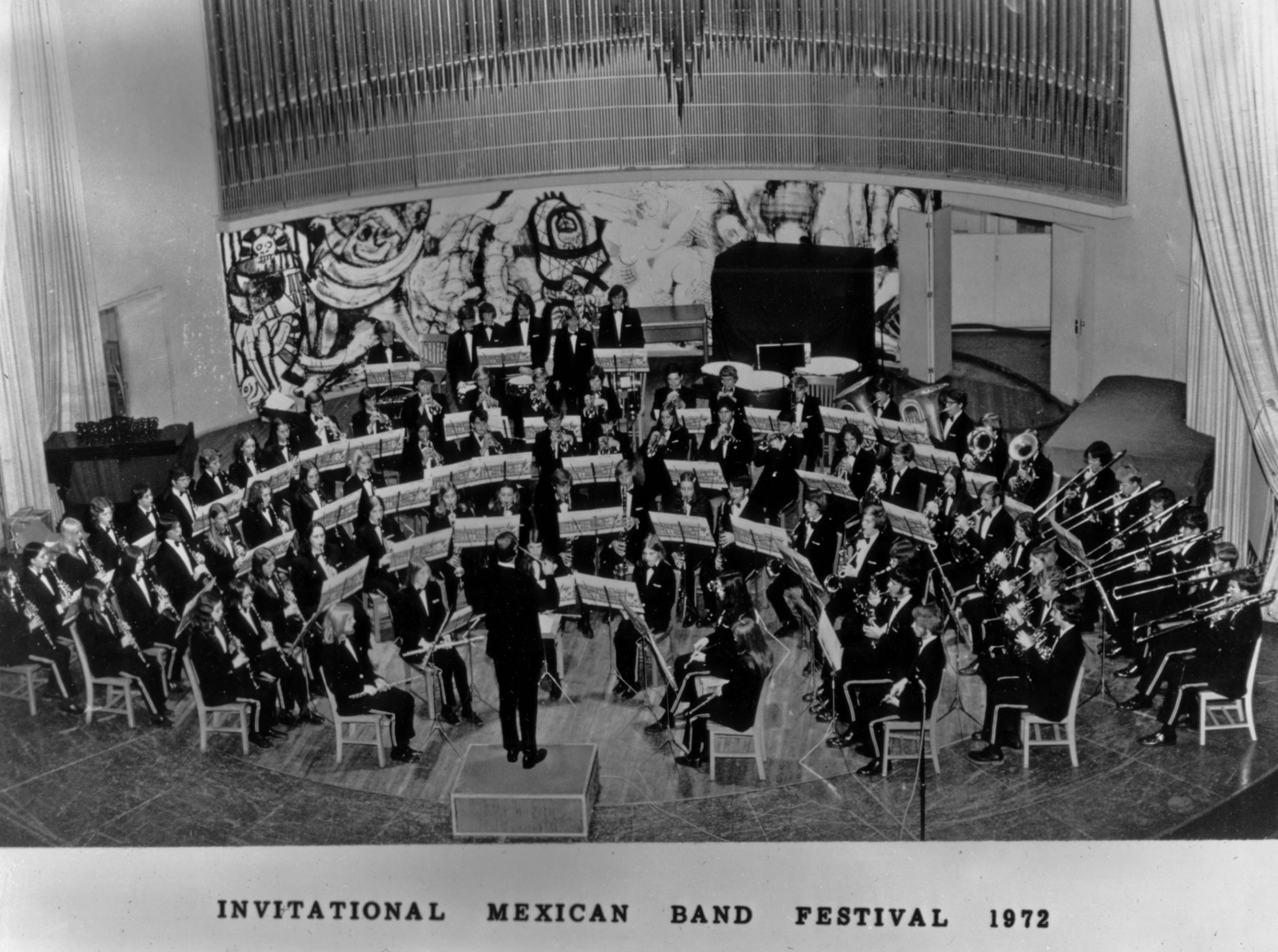
The 1971–72 band arrived at the new campus with new uniforms and a bold ambition: an international tour. The band traveled to Mexico — one of the first international trips taken by a band from the Knoxville area — a journey that set a new standard for what the program could do.
1975 — National Spotlight
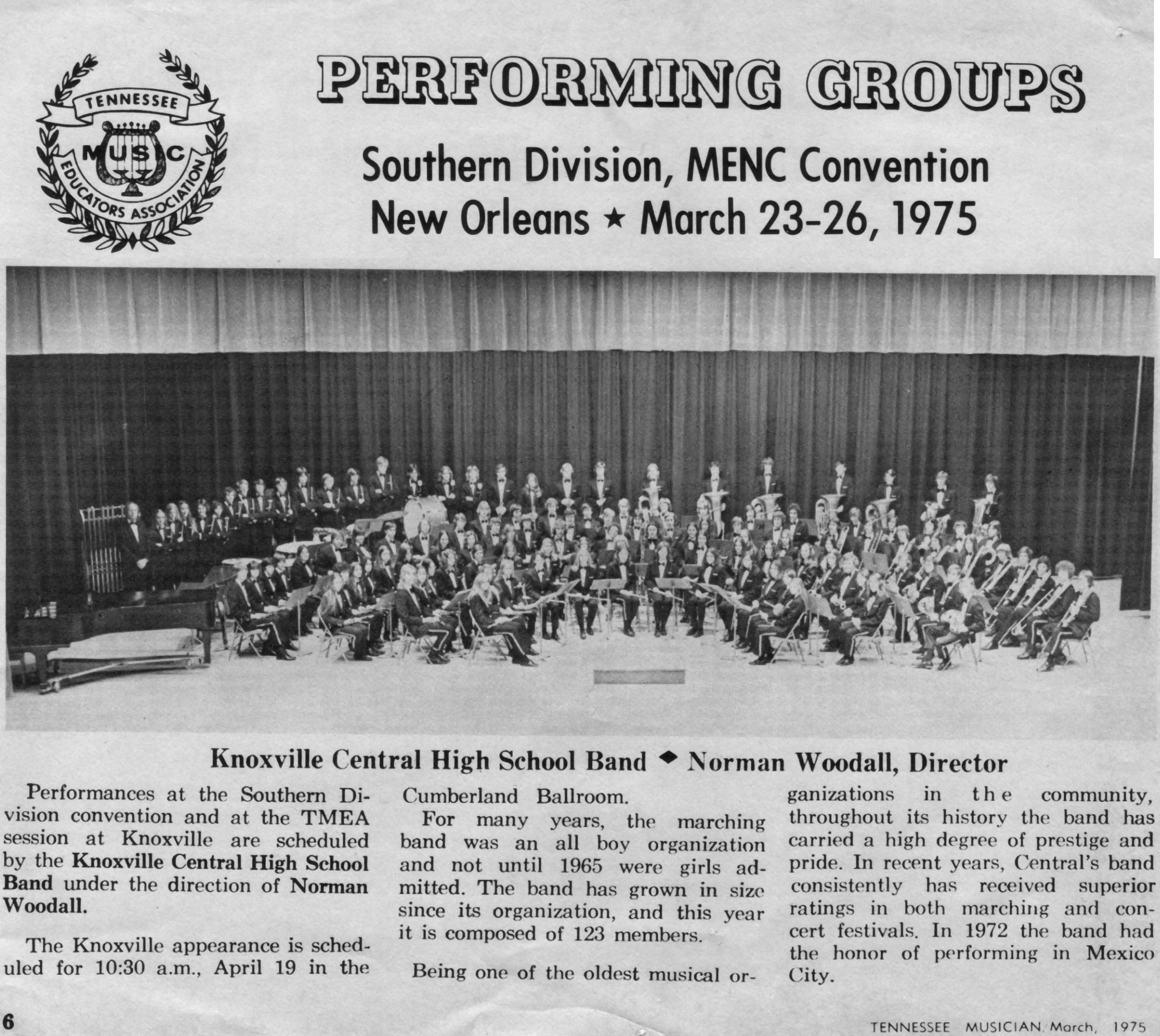
By 1975 the band had grown to 123 members and was featured at both the Tennessee Music Educators Association state conference and the Southern Division MENC meeting in New Orleans — consecutive honors that placed Central among the most-watched programs in the region.
Early 1980s — National Band Association Leadership
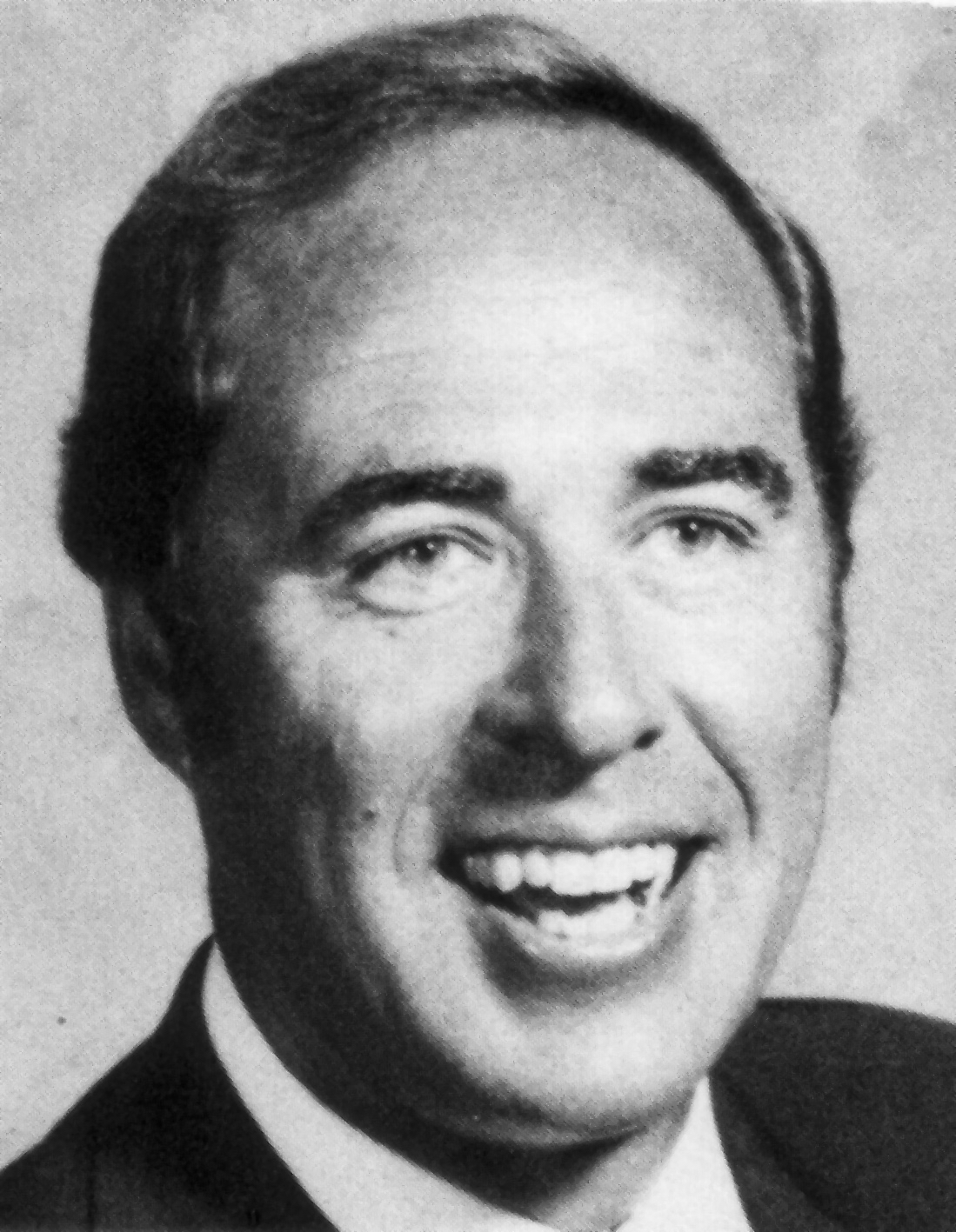
Woodall was elected 2nd Vice President of the National Band Association and hosted the association’s 1984 national conference in Knoxville — bringing the nation’s top band directors to Central’s home city. He also served multiple terms as president of ETSBOA.
1984 — New Look
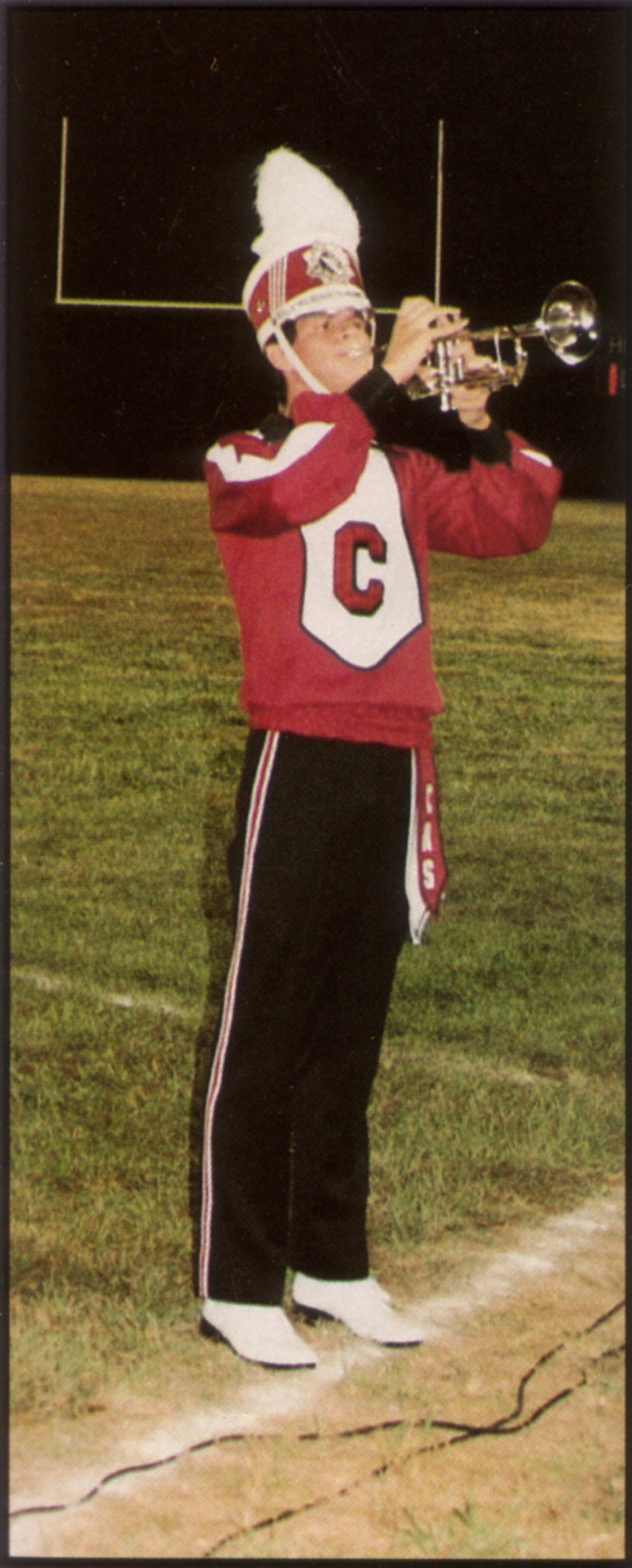
New uniforms were introduced in 1984 with a more casual, less military styling — a deliberate shift toward a modern marching aesthetic while maintaining the program’s distinctive red and black identity.
1986–87 — Florida Festival
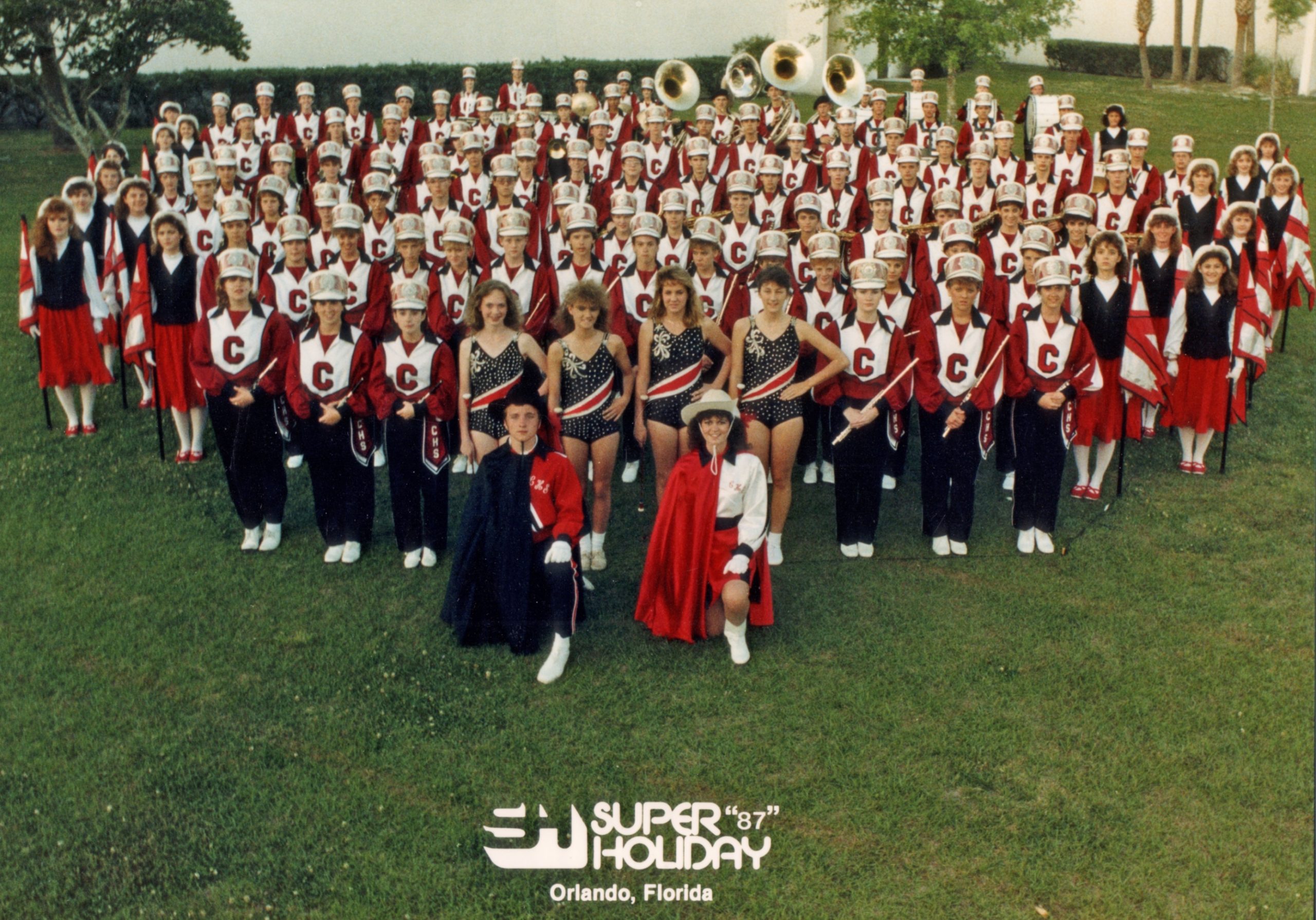
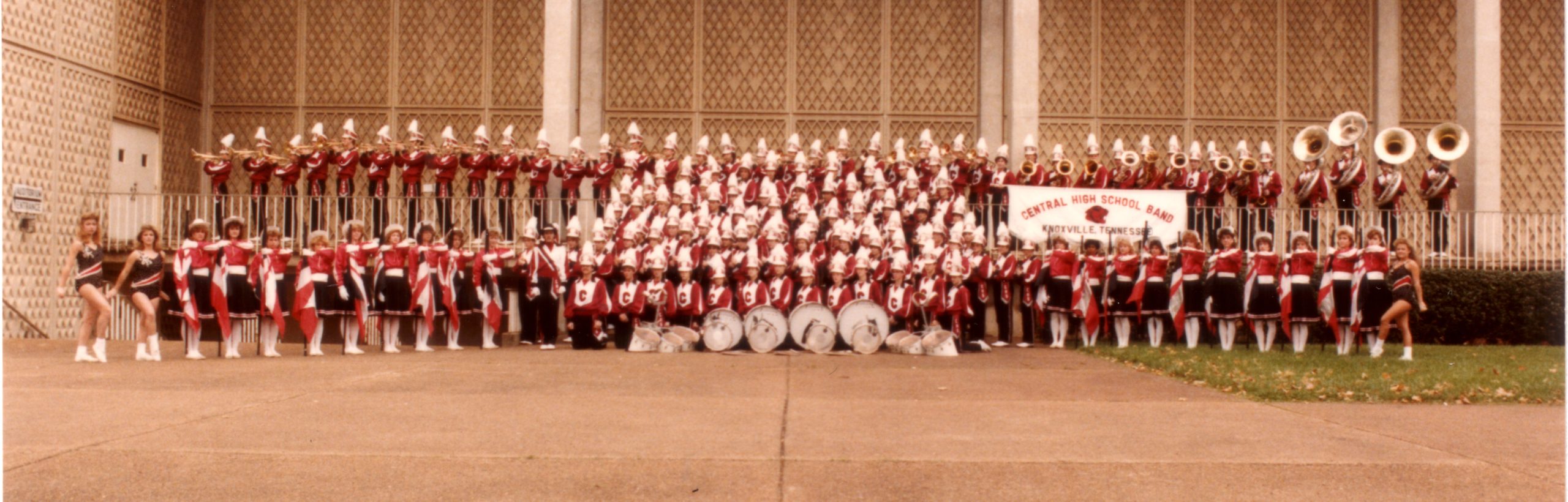
The 1986–87 season included a festival trip to Florida — combining performance, competition, and travel that gave students experiences well beyond the rehearsal room. A tradition of meaningful trips had been established under Willis and continued faithfully under Woodall.
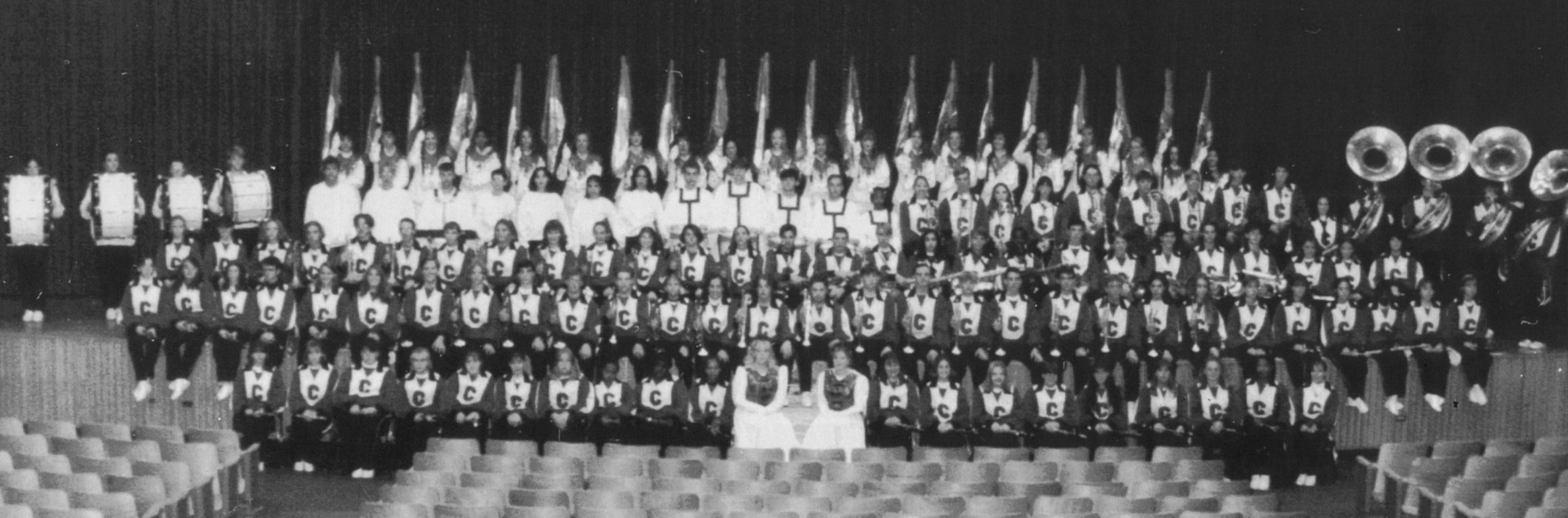
1998–1999 — Woodall’s Final Year
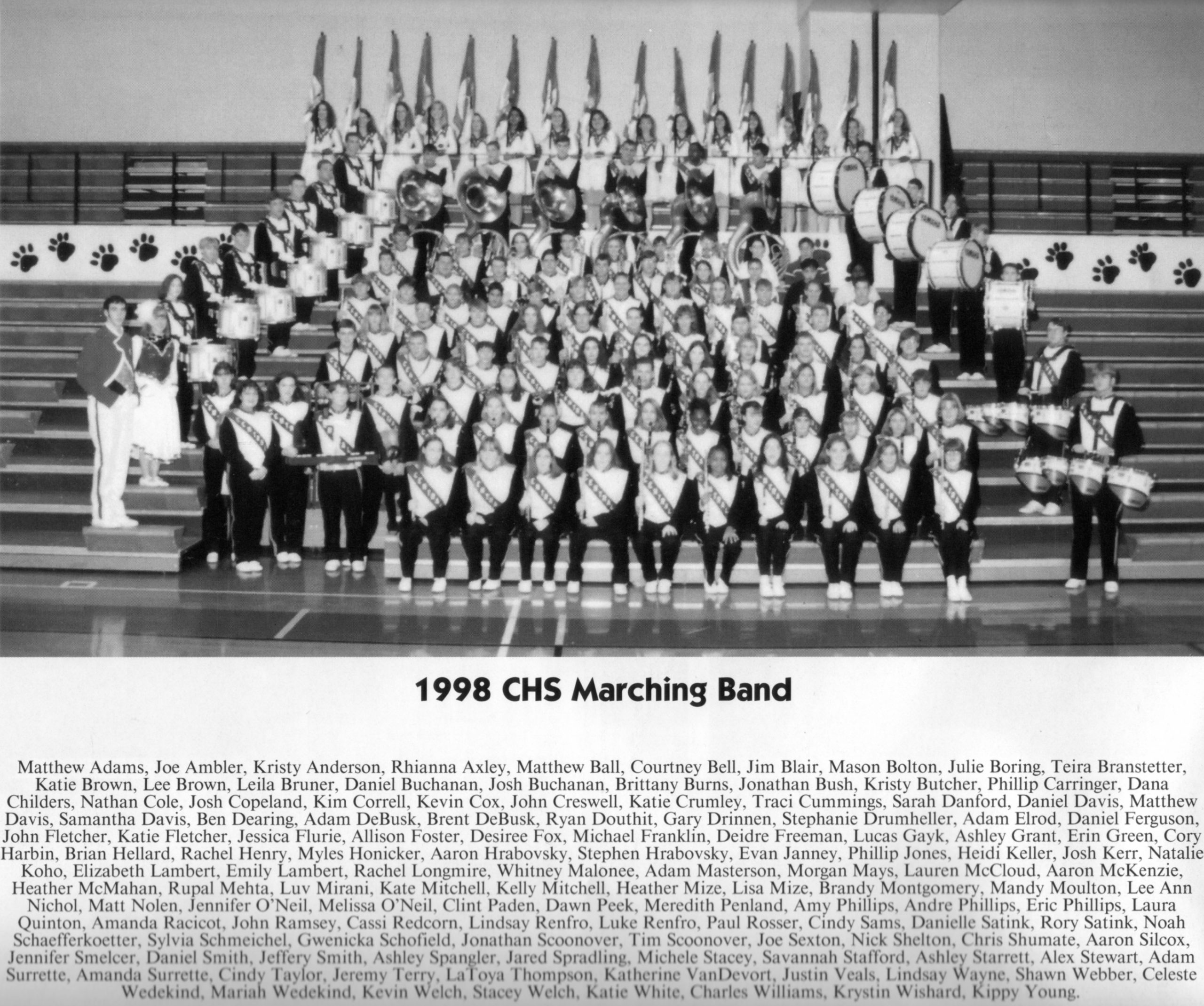
In Woodall’s final year, something touching happened: the students requested the return of the 1971 uniforms — the traditional, more military style that had defined the program for a generation. They wanted to honor their director by marching out the way the program had marched in. Woodall retired in 1999 at age 62. He passed away three years later.
Under his 28 years of leadership, the band extended its tradition of excellence and continued to be a great source of pride for the community, the school, and the city of Knoxville.
1999 — Present
Recent Years…
Following Woodall’s retirement, the program has continued under a succession of dedicated directors, each building on the foundation laid by Willis and Woodall.
Gregory Basham 1999 – 2002
Laura Borchert 2002 – 2003
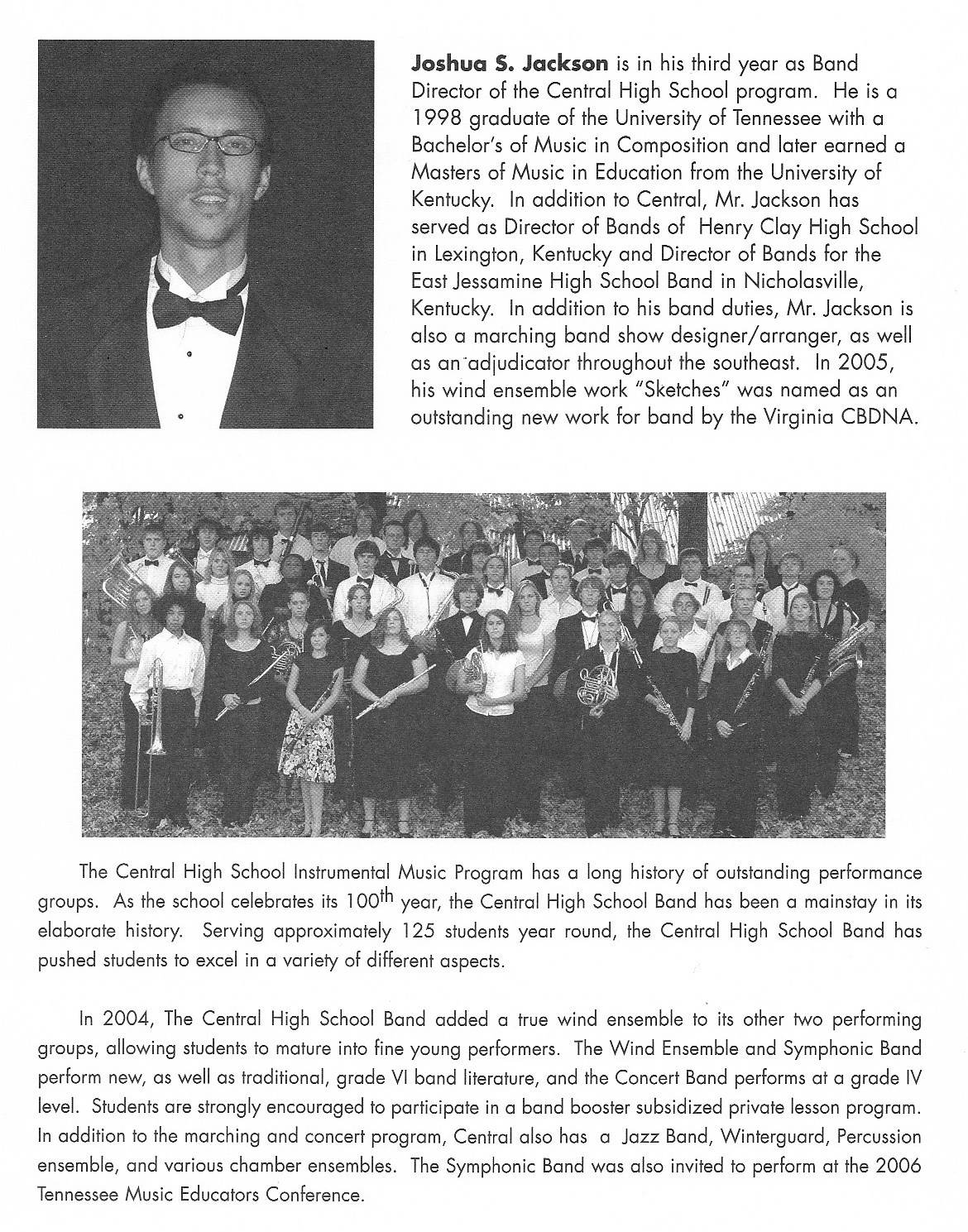
Joshua Jackson 2004 – 2009
Lisa Burden 2009 – 2017
Chase Ramsey 2017 – 2018
Several of these directors served first as assistants before stepping into the head role — a continuity of mentorship that mirrors the program’s own history. New uniforms purchased in 2000 featured jackets that subtly echoed the 1958 designs, connecting the new era to the old.
2002 — Bands of America
Participation in Bands of America regional competitions beginning in 2002 reinvigorated the marching program and gave students a modern competitive framework that connected them to the national marching arts community.
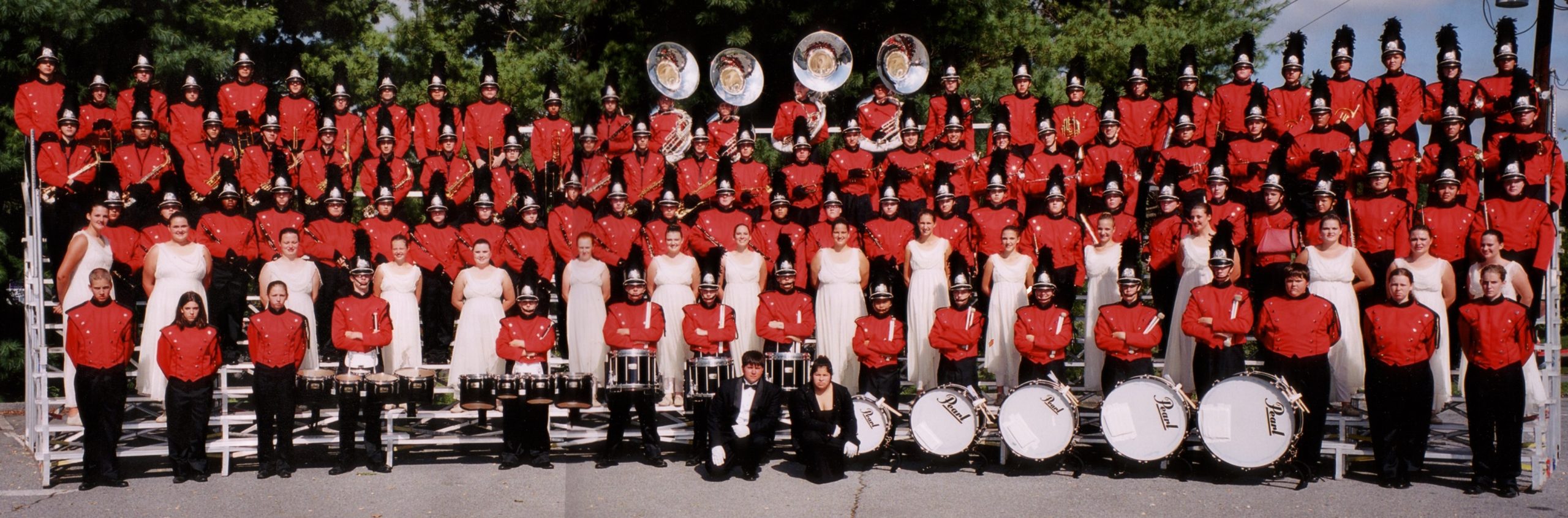
2005–2006 — Selected for State & National Conferences
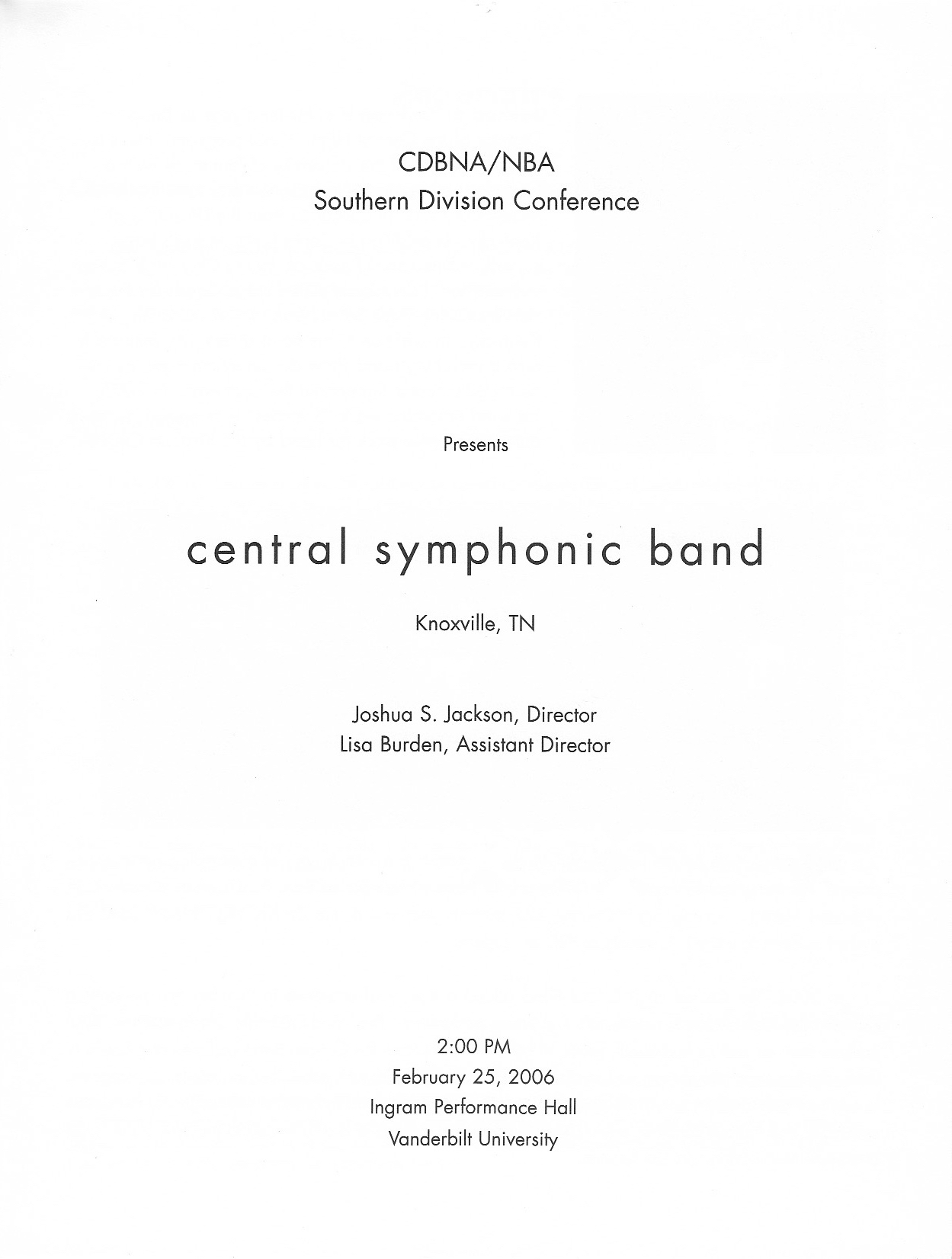
In consecutive years, the band was selected as one of only two state bands to perform for the Tennessee Music Educators Association conference, and then selected to perform for a joint National Band Association / College Band Directors National Association conference — the kind of back-to-back recognition that echoed the achievements of the Willis era half a century earlier.
The band now enters its tenth decade of existence.
To the students, families, staff, alumni, and community members who have supported the Knoxville Central Marching Band through every generation — thank you. The music continues because of you.
— Friends of Bobcat Band · Est. 1954